
Okay, so check this out—Phantom used to be mostly a browser extension and mobile app, but the idea of a web-first Phantom experience has been bubbling up in the community for a while. My first thought was: do we need another way to access a wallet? Then I started using a web interface for quick marketplace checks and flipping NFTs, and wow, it changed my workflow. I’m biased toward convenience, but security still matters to me. This piece walks through what Phantom web means for NFT collectors on Solana, practical tips, and some things that bug me about the current landscape.
First impressions: Phantom is slick. The UX is clean. You can connect to dApps, sign transactions, and view NFTs without jumping between apps. Seriously, having a web view for your wallet cuts friction—especially when you’re researching different collections on a laptop. But my instinct said to be careful: web-based wallets can expose different attack surfaces than extensions or hardware setups. So yeah—use it, but use it smartly.
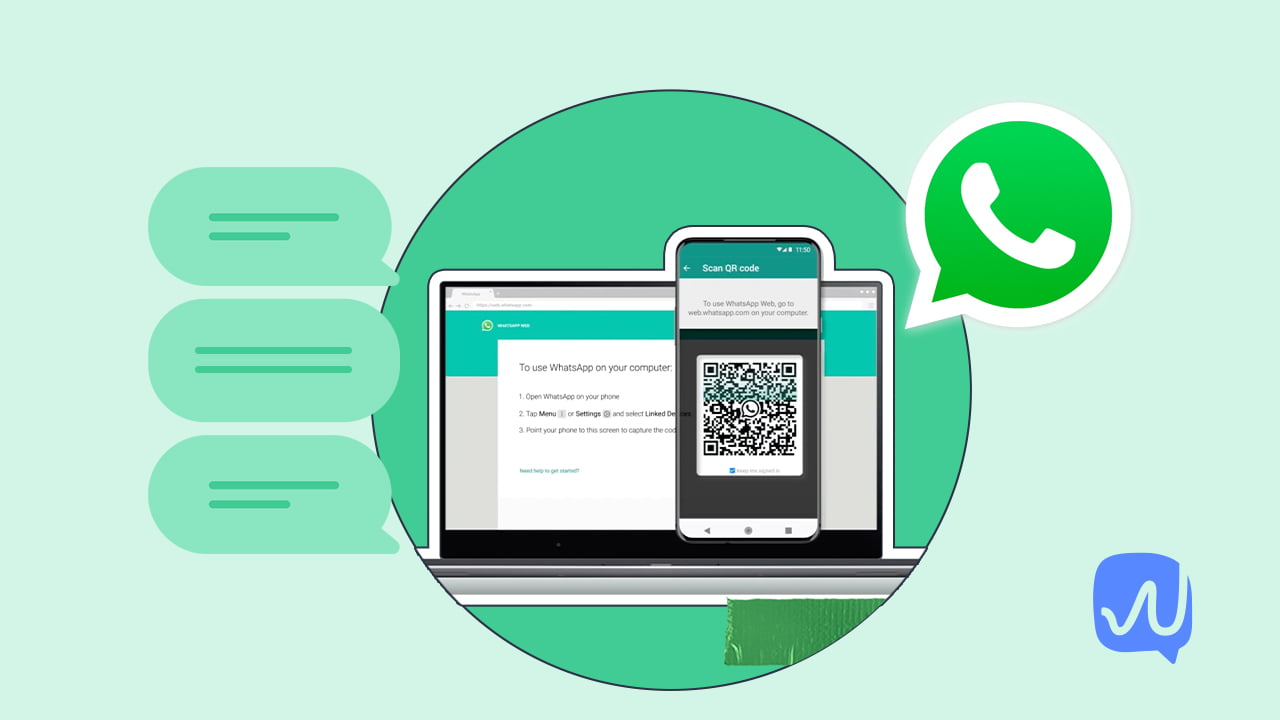
What the web version actually gives you
Short answer: convenience. Longer answer: a few meaningful things change.
First, web access removes the dependency on a specific browser extension being installed, which helps if you’re working on shared machines or devices where installing extensions is blocked. Second, integration with marketplaces becomes more seamless—some sites streamline the buy/sign flow when a web wallet is present. Third, for creators and collectors, it simplifies the onboarding experience: less setup friction means more people engage with NFTs.
That said, it does introduce different risks. Web sessions are more exposed to phishing through fake pages and clipboard attacks, and browser sandboxing differs among platforms. So, a pragmatic approach works best: use the web interface for research and light actions, and reserve larger transfers or long-term storage moves for a more secure environment.
Security checklist—what I actually do
I’ll be honest: I’m not 100% perfect about this, but here are practical habits that help.
- Use a hardware wallet for high-value holdings. Phantom supports Ledger for signing, so tie the big stuff to a device you control.
- Keep a separate low-balance account for daily web interactions. Treat it like a “hot” wallet.
- Verify the URL and SSL certificate. This is basic, but people miss it when they’re excited about a drop.
- Don’t paste seed phrases anywhere. Ever. Phishing pages will ask for them. They don’t need them to connect.
- Enable connection prompts and audit dApp permissions in Phantom—revoke any app you don’t recognize.
NFT-specific workflows on Solana
Working with NFTs on Solana is fast—transactions confirm in seconds. That speed is great when you’re minting or trying to snipe a drop, though it can lead to mistakes if you’re not careful. Here’s how I approach it.
Before minting: check collection metadata and creators. Use reliable marketplaces and community channels. Reserve a small allocation of SOL for fees; they’re tiny, but failing to account for them can cause a failed transaction (and that hurts on drops).
After purchase: verify the token in Phantom’s NFT view. If something’s missing, double-check the metadata endpoint or the blockchain explorer. Sometimes images are hosted off-chain and that can cause display issues—annoying, but usually not a red flag by itself.
Interacting with marketplaces and dApps
Here’s the flow I typically use: connect Phantom web to the marketplace, review the permissions (what can the dApp do?), then sign the transaction. If the offer involves a contract approval, take a breath and confirm only the minimal permissions needed. On one hand, the convenience of a single-click buy is addicting—though actually, give it a pause first.
Some marketplaces offer “walletless” experiences (they abstract signing), which can be handy but also obscure what is happening on-chain. Personally, I prefer explicit Phantom interactions because I like to see the gas, the signer, and the exact instruction set. Transparency matters.
Oh, and by the way—if you want a quick way to check Phantom web tooling or an alternate web interface, try this link: https://web-phantom.at/. It’s a neat starting point for folks wanting a web-centered workflow.
Common pitfalls and how to recover
Mis-clicked approval? It happens. If you accidentally approve a malicious contract, revoke permissions immediately in Phantom’s settings or use a revoke tool that connects to your wallet. If funds are drained, contact the marketplace and community channels quickly—sometimes you can flag accounts, but recovery is rarely guaranteed.
Lost NFTs due to broken metadata: sometimes projects host assets on third-party services that go down. If metadata disappears, reach out to the creators; some projects remediate by re-hosting assets or issuing replacements.
Pros and cons — a quick cheat sheet
- Pros: Low friction, great for rapid browsing and small trades, easier onboarding for newcomers.
- Cons: Slightly larger attack surface, reliance on web hosting and third-party pages, potential for confusing UX in cross-site approvals.
FAQ
Is the web version of Phantom safe for large NFT collections?
Use it for viewing and light management. For large holdings, pair Phantom with a hardware wallet or use an offline cold storage solution. Treat web access as convenient, not the final layer of security.
Can I use Phantom web without installing anything?
Yes—many web wallet approaches let you connect via a hosted interface. But ensure the site you’re using is official and never enter your seed phrase into any webpage.
What should I do if a transaction fails?
Check the transaction on a Solana explorer to see the error. Sometimes it’s a timeout, sometimes it’s insufficient funds for rent or fees. Learn the error types—those little details save a lot of guesswork later.
To wrap up—though I’m not finishing with a neat summary on purpose—using Phantom on the web has become part of my daily toolkit. It’s fast, convenient, and increasingly robust for NFTs on Solana, but it isn’t a replacement for smart security practices. My take? Embrace the convenience, but compartmentalize your risk: small, hot wallets for browsing and sniping; hardware-backed accounts for the high-value stuff. Somethin’ about that balance just feels right.