
Okay, so check this out—I’ve tried a few Solana wallets as a browser extension and one name kept popping up in my everyday workflow: Phantom. It’s fast. It’s simple. And honestly, it just works most of the time. Short story: if you want a clean, browser-based entry into Solana dApps and NFTs, Phantom is the one you’ll want to evaluate first.
Quick gut take: Phantom feels like the polished cousin of older wallet extensions—less clunky UI, fewer confusing prompts, and a focus on Solana-specific flows. My instinct said “this is legit” the first time I connected it to a marketplace and didn’t get a thousand warnings or a permission box that made no sense. Still, I’m cautious by nature, so I kept poking around. What follows is a mix of hands-on tips, things that bug me, and practical security notes so you can decide whether to use it, and how to use it safely.
What Phantom Does Well
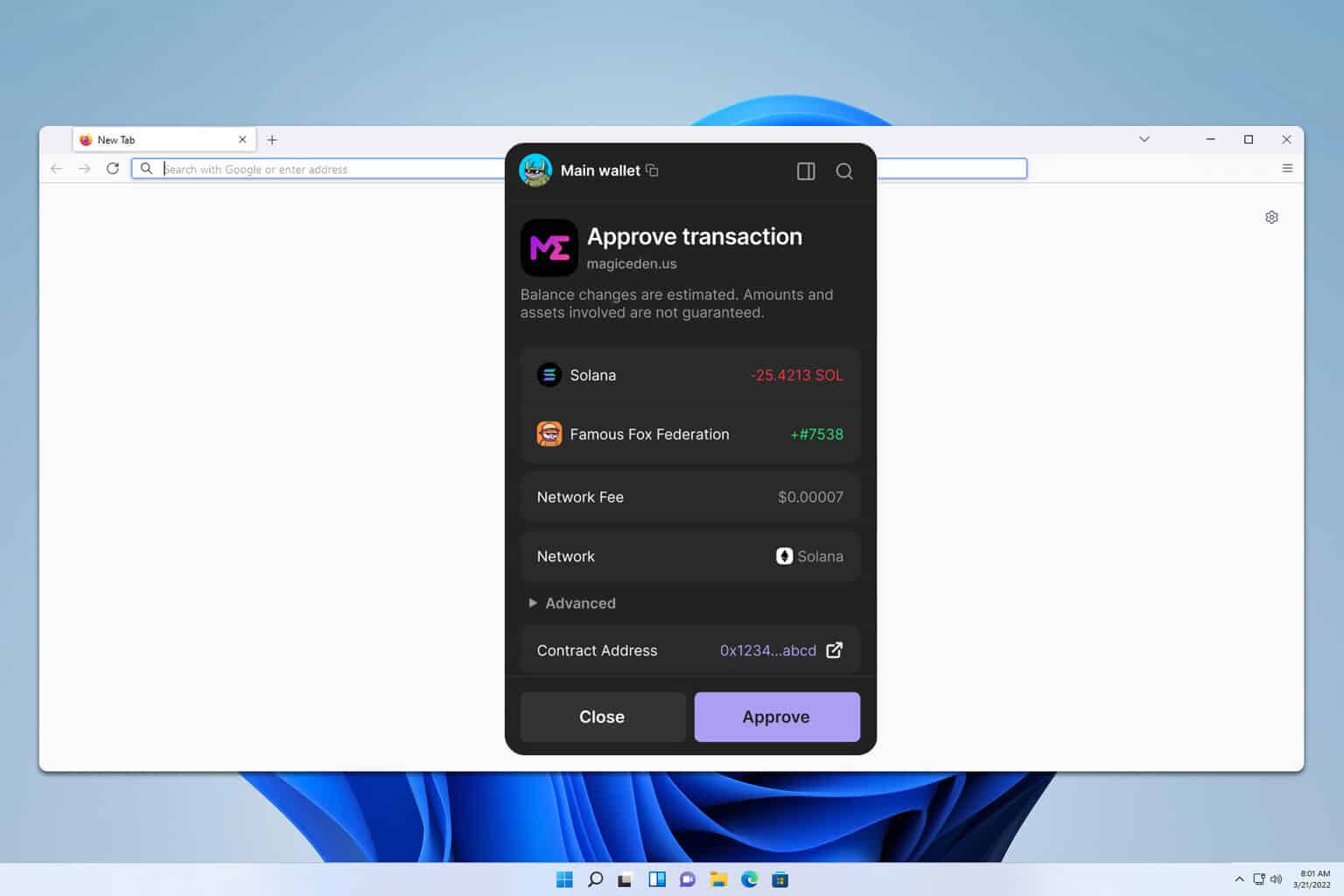
For starters, Phantom is a browser extension that acts as your Solana wallet and key manager. It stores your seed phrase (locally), signs transactions, and provides an interface to manage tokens and NFTs. It’s integrated into the most popular Solana dApps, from decentralized exchanges like Serum and Raydium to NFT marketplaces. The experience is streamlined: connect, approve, trade, done.
Here’s what I like best:
- Speed: Transactions on Solana are quick, and Phantom keeps up—no long hangs.
- UI clarity: The extension gives clear permission prompts; fewer cryptic options than some competitors.
- NFT handling: Drag-and-drop visuals and a neat gallery view make browsing collections easy.
- Hardware wallet support: You can pair Phantom with a Ledger for better key isolation.
That said, no wallet is perfect. This part bugs me: the onboarding flow sometimes nudges users to do things they shouldn’t—like exposing their seed phrase in public. I’m biased toward conservative security practices. So please, never type your recovery phrase into any site or extension field. Ever.
How to Get Phantom (and stay safe)
First things first: install from a trusted source. Seriously—there are fake extensions and phishing pages. The most reliable way to get started is to visit the developer’s official page or your browser’s official extension store, but if you prefer a direct link for convenience, here’s a place you can check out: phantom wallet. Be mindful—double-check URLs, look at extension reviews and developer details, and confirm the publisher before installing.
Security checklist (short):
- Use a hardware wallet for significant balances.
- Write down your seed phrase on paper—do not store it in cloud notes.
- Only approve transaction requests you understand—look at amounts and destination addresses.
- Keep your browser and the extension up to date.
Something felt off about a few permission popups early on. My advice: take an extra second to read. It can save you a painful lesson.
Common workflows (and a couple of gotchas)
Want to mint an NFT? Phantom integrates cleanly with most Solana minting sites. Connect, confirm a small fee, and the token shows up in your wallet. Fast. Want to trade tokens? Swapping inside Phantom or through an integrated DEX is straightforward, though slippage settings and token approvals still require attention.
Gotchas:
- Phantom sometimes suggests “auto-approve” or similar conveniences. Don’t enable that unless you 100% trust the dApp.
- Token scammers can request bogus approvals. Revoke old approvals periodically.
- Browser clutter: too many extensions can interfere with behavior. Keep things tidy.
On one hand, Phantom’s simplicity is its strength—though actually, wait—simplicity can mask dangerous defaults. Balance convenience with caution.
Hardware wallets and account management
If you plan to hold meaningful value, pair Phantom with a Ledger. The integration lets you keep private keys offline while using Phantom as a UI to interact with dApps. Initially I thought it would be a pain, but it turned out to be pretty smooth. There are a couple steps: enable Solana on Ledger, connect via USB (or Bluetooth on supported devices), then import the Ledger account into Phantom as a hardware-backed account. Nice setup.
Multi-account handling is decent. You can create multiple accounts inside Phantom and switch among them quickly. Handy when you want separate wallets for play money vs. long-term holds.
Frequently asked questions
Is Phantom safe to use for Solana NFTs and tokens?
Yes, with caveats. Phantom itself is widely used and generally considered secure, but your safety depends on how you use it. Use hardware wallets for larger holdings, never reveal your seed phrase, and be cautious when approving dApp permissions.
Can I recover my wallet if I lose my device?
Yes—if you’ve securely saved your secret recovery phrase. Phantom gives you a seed phrase during setup. Restore by re-entering that phrase in Phantom on a new device. If you lose the phrase, recovery is impossible, so guard it carefully.
Does Phantom work with Ledger?
Yes. Phantom supports Ledger hardware wallets, which is the recommended configuration for higher security. Connect Ledger, enable Solana app on the device, and add the hardware account to Phantom.
I’ll be honest—using crypto wallets is part convenience, part ritual. You get better at spotting red flags over time. My process is simple: small test transactions, hardware protection for big funds, and regular review of permissions. That approach has saved me from a couple sketchy token approvals that looked fine at first glance.
Final note: the Solana ecosystem moves fast. Phantom and its competitors iterate often. So keep your setup updated, stay skeptical of random links, and don’t let FOMO make you click recklessly. If you’re careful, Phantom is a very good portal into Solana’s apps and NFTs. Somethin’ to try if you want an easy on-ramp that still gives you decent control.