
So I was fiddling with my Solana apps the other day and something clicked. Whoa! My first thought was: finally—a wallet that actually behaves in the browser. At first it felt like a tiny victory. Then my instinct said: hold up, is this safe? Hmm…
Phantom wallet has become the go-to browser extension for a lot of folks in the Solana world. Seriously? Yes. It’s slick, quick, and it just kind of fades into the background when it’s working. But here’s the thing. UX polish can hide complexity and risk.
Initially I thought it was just another crypto extension. Actually, wait—let me rephrase that: I thought it was just another wallet, but then after using it daily I noticed how much it changes how you interact with dApps. On one hand it makes signing transactions almost effortless. On the other hand, I started paying attention to permissions and origins more—because you should.
Quick anecdote: down in Austin last year I watched a friend nearly approve a phantom pop-up without reading. Wow. That part bugs me. I’m biased, I’m a habitual reader of permission dialogs, and I nag friends about it. But some people just want to click and go. Fine. Just be aware.
Here’s a little breakdown of the real trade-offs. Short version: speed and convenience versus a few subtle security hygiene practices you should adopt. Really simple habits reduce risk dramatically. Small things, like double-checking the domain and confirming only the exact transaction you expect, matter.
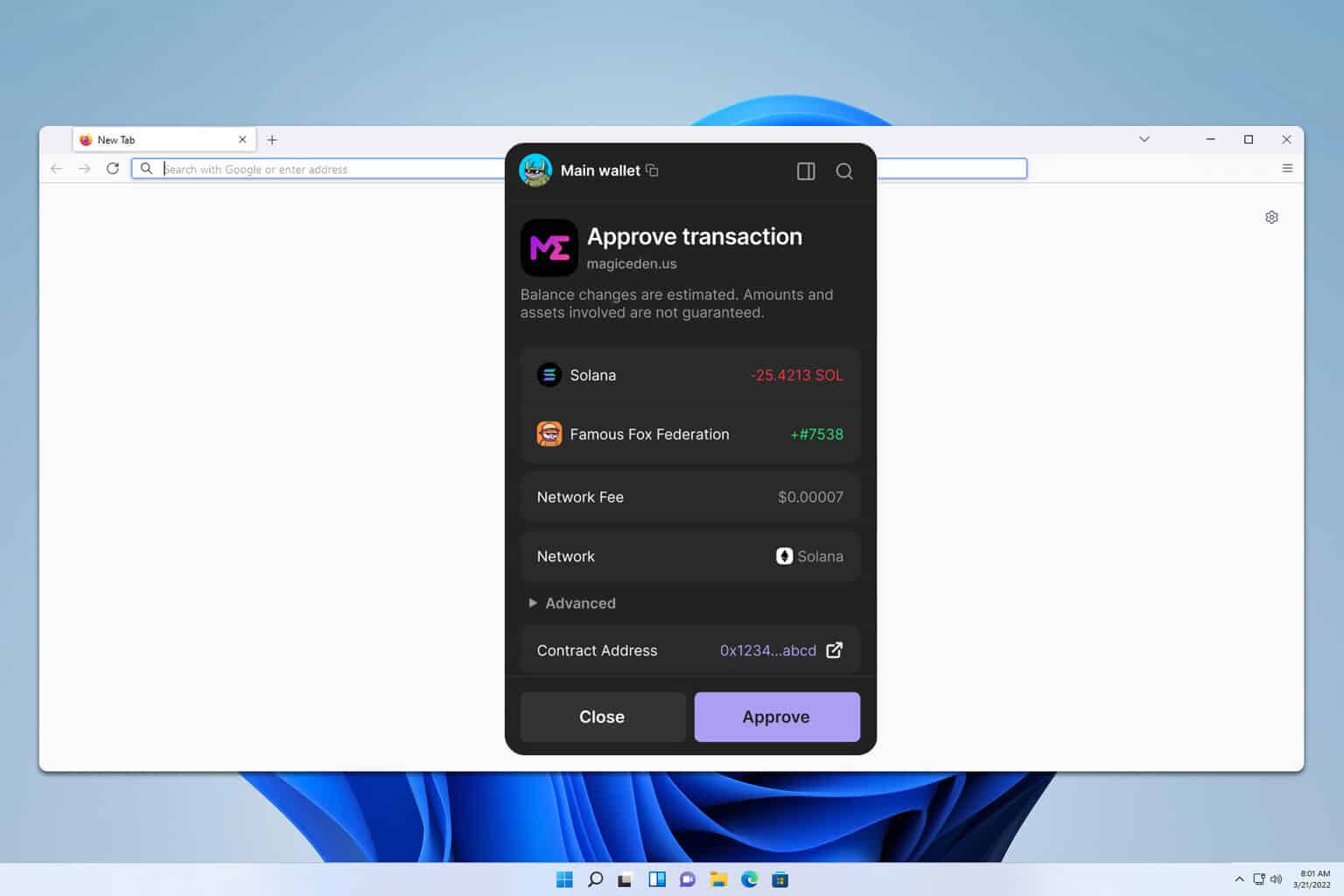
Where to start with Phantom (and a safe download tip)
If you haven’t installed Phantom yet, use a trusted source and avoid random links from social posts. Check the official sites and reputable stores. For an easy starting point, this link is a handy place to get the browser extension: https://sites.google.com/cryptowalletextensionus.com/phantomwalletdownloadextension/ —I used it to walk someone through setup last week (they were relieved, honestly).
Okay, so check this out—installation itself is straightforward. The UI asks you to set a password and then it gives you a seed phrase. Take a breath. Seriously, write that phrase down and store it offline. Do not screenshot. Do not email it to yourself (no please).
My instinct said to automate backups, but I resisted. On balance that’s probably wise. On the other hand, I also like some automation—so there’s a tension. You’ll figure your own balance. If you want a practical routine: write the seed on paper, store in two secure spots, and consider a steel backup if you’re heavy into NFTs or big SOL holdings.
One thing I noticed though is that Phantom often prompts for transaction confirmations that look similar but are different. Very very important: read the details. The UI makes it easy to miss nested instructions in a dApp flow. So slow down. Even one extra second can save you a headache.
Here’s what bugs me about some onboarding flows: they assume all users are crypto nerds. Not true. New users get overwhelmed. (oh, and by the way…) a little patience goes a long way when teaching someone in person—use plain language and don’t say “sign this” without explaining what you’re signing.
Technically speaking, Phantom uses injected objects into the page for dApps to talk to the wallet. That’s normal, but it means malicious sites could ask for signatures. My gut said something felt off when a site requested unlimited approvals. So I stopped and investigated. On the technical side you can restrict approvals and revoke access later, which is comforting though not perfect.
Speaking of revocations, I regularly audit connected sites. It’s a chore but worth it. I admit I used to ignore it. Now I do it monthly. If you’re like me and sometimes forget, set a calendar reminder—yes, that’s low-tech, but it works.
There are edge cases too. For example, wallet migrations or seed phrase imports can trigger flurries of dApp requests. Initially I thought importing was safe across devices, though actually some extensions change behavior slightly. Test with a small amount first. If something smells off, pause and re-evaluate.
On UX: Phantom nails the feeling of immediacy when a tx is submitted. The notification, the little confetti when an action succeeds (hey, it’s satisfying)—that feedback loop matters. Users feel in control, and that reduces mistakes. But it may also give false confidence if people stop reading the details.
So here’s a practical checklist I share with friends:
- Download only from trusted sources and verify the publisher.
- Write your seed phrase on paper, then store it securely.
- Use a password manager for strong passwords, but not for the seed phrase.
- Audit connected sites and revoke permissions quarterly.
- Test with small amounts before interacting with new dApps.
I’m not 100% sure I’ve covered every nuance. There are new attack vectors every few months. Still, these habits will protect you from most common mistakes. My experience says that consistency beats perfection.
FAQ
Is Phantom safe for everyday use?
For everyday use, yes—with caveats. The extension itself is well-regarded, but safety depends on your habits. Keep your seed offline, confirm transactions, and audit connected sites. If you follow those basic precautions you’ll be fine much of the time.
What if I lose my seed phrase?
Then recovery is difficult and usually impossible. That’s the harsh reality. If you lose it and your device is wiped, you lose access. So again: redundant, offline backups are key.
Can I use Phantom on multiple browsers?
Yes. You can install the extension on different browsers or devices, but treat each install as a separate security domain. Importing your seed gives access everywhere, so be cautious, and test with small amounts first.