
Okay, so check this out—I’ve been poking at Solana wallets for years now, and Phantom keeps popping up in my workflow. Wow! It feels fast. It also feels… polished in ways other extensions weren’t. Initially I thought it was just another wallet, but then I dug deeper and realized how much UX and subtle security choices matter.
My instinct said to be cautious at first. Seriously? There are a lot of lookalike extensions out there. On one hand, Phantom makes minting and trading NFTs on Solana annoyingly easy; on the other hand, the ease-of-use raises a lot of attack-surface concerns (phishing, rogue dapps, bad token approvals). Hmm… so I started treating Phantom like a power tool: great when used right, dangerous when waved around carelessly.
Here’s the thing. Phantom’s extension is nimble—transactions sign in a blink and fees are tiny. That speed is a big deal when you’re racing for a limited mint drop. But it’s not magic; there are trade-offs. For example, the extension’s convenience features (auto-connect, in-extension swaps) are handy but they invite sloppy habits if you let them.
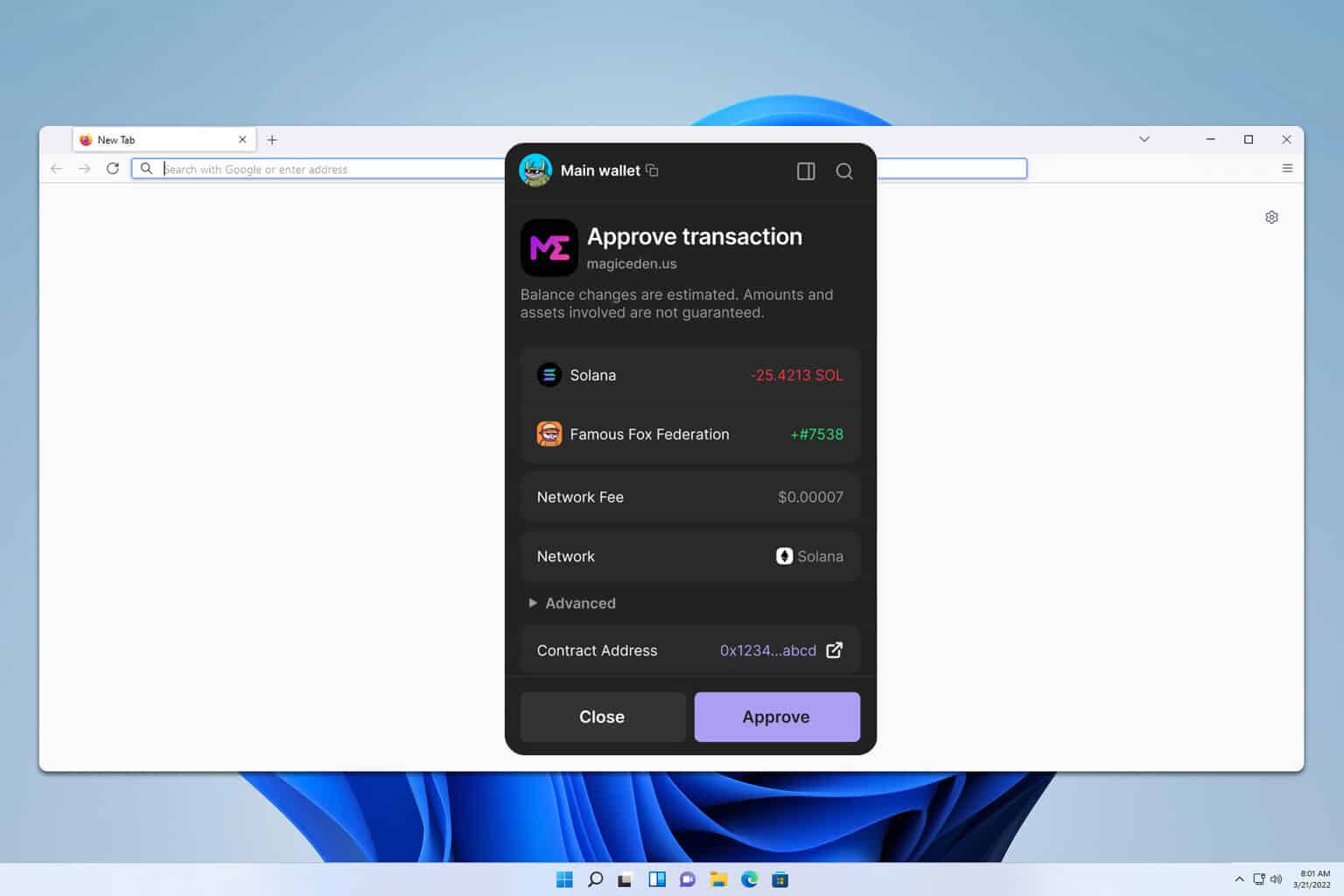
How I Install, Vet, and Harden a Browser Wallet
I start by verifying the extension publisher and store listing. Really? Yep—it’s basic, but many folks skip it. Then I cross-check the extension ID (in Chrome/Brave dev-mode) with official announcements or the project’s verified social posts—this small step can save you from a fake copy. Initially I used only store links, but I learned that screenshots, publisher history, and community chatter matter too; actually, wait—let me rephrase that: always verify multiple signals before trusting a download.
After installation I set a strong password and enable auto-lock at a short interval. Whoa! Sounds paranoid? Maybe. But that one habit has prevented me from leaving an unlocked wallet in a cafe (true story—left it, closed laptop, came back). I also use a hardware wallet integration for larger holdings—Ledger works with Phantom and that extra layer is very very important.
For collectors focused on NFTs, Phantom’s built-in gallery is slick. It shows thumbnails, metadata, and links to the minting collection. That UI convenience lets me quickly triage new drops. On the flip side, seeing prices and rarities inline can push impulsive buys—so I usually open a separate research tab and take a breath first.
When connecting to a marketplace (say Magic Eden), I make one connection at a time. Hmm… sounds slow, but it’s safer. I refuse blanket approvals that allow a dapp unlimited control over my NFTs. On one hand, single-use approvals are slightly more fiddly; though actually, the security gain is worth a couple extra clicks.
Also: export your seed phrase exactly once, to a secured offline place. Seriously? Yes. I write it down on paper and store it somewhere dry (not taped to the wall). Don’t store seed phrases in cloud notes or screenshots; that is how people lose everything. My rule: if you need to copy-paste the phrase often, you’re doing it wrong.
Okay, some practical tips I use every week: enable phishing protection where possible, check the origin of connect requests, and review transaction details before hitting “Sign.” Really? Sounds tedious, but those few seconds prevent dumb mistakes. For NFT mints, always confirm the collection contract and the mint URL; scammers clone interfaces all the time. Initially I overlooked tiny mismatches in contract addresses, but those tiny mismatches cost real SOL.
There are deeper quirks worth noting. Phantom supports token swaps inside the extension, which is super convenient. Whoa! Instant swaps—love it. But routing and slippage can be tricky during volatile markets, so I set tighter slippage and double-check the routing path. My gut says: small trades on-chain, larger ones through a known DEX or aggregator.
One part that bugs me is how some dapps request “full access” to NFTs. Here’s what bugs me about that UI: it makes a scary action look benign. I’m biased, but my approach is to reject broad approvals and opt for contract-level, time-limited approvals where possible. On the other hand, some marketplaces genuinely need broad approvals to list and delist; on balance, I manage approvals actively (review weekly) rather than let them accumulate.
A note about device hygiene: keep your browser updated, use a dedicated browser profile for crypto, and consider a separate OS user for serious trading. Hmm… that sounds extreme. It is, but it reduces cross-site contamination. I use Brave for daily browsing and a fresh Chrome profile exclusively for wallet interactions—works for me, might be overkill for casual collectors.
Want the extension? If you do decide to get Phantom, a starting place is the official download page. I’m including a single convenient link here: phantom wallet. I’m not going to tell you it’s the only source; verify the link and the publisher yourself. I’m not 100% sure about every mirror out there, so do confirm.
Phantom’s NFT features keep evolving. They added better collection metadata handling and improved the gallery experience. That’s great because it reduces the guesswork during drops. On a critical note, some metadata still relies on off-chain storage, which means rare-looking items can change display if the host changes—so I always keep transaction receipts and collection IDs for provenance.
One other real-world tip: when minting, calculate total cost (mint fee + small SOL buffer for potential retries). Really? You’d be surprised how many people forget buffer SOL and then get a failed transaction. Also, prioritize transactions by fee if you must beat a queue—during big mints, speed matters and you may pay a touch more in fees to secure a slot.
FAQ
Is Phantom safe for holding NFTs long-term?
Short answer: yes, if you combine it with good habits. Use hardware wallet integration for high-value items, keep your seed offline, and review dapp approvals regularly. On the other hand, a browser extension alone is more exposed than a cold wallet—so consider risk vs convenience.
Can I use Phantom with Ledger?
Yes. Phantom supports Ledger for signing transactions. That setup keeps your private keys offline while still letting you interact with dapps and sign NFT trades—it’s what I use for larger collections.
What about scams and phishing links?
They’re everywhere. Double-check contract addresses, verify the dapp on multiple channels, and never paste your seed phrase into any webpage. If a connect or sign popup looks odd, don’t approve it—trust your gut. Something felt off about a site once, and that hesitation saved me some SOL.