
I grabbed the Phantom extension last year during a crypto frenzy. It felt slick and light, like a good pocketknife. Wow, that actually worked. I started using it for small trades and NFT drops. At first my instinct said it was fine, but slowly I noticed tiny UI quirks that mattered during rushes and high-fee moments.
Seriously? It tripped me up. Initially I thought the wallet’s approval flow was straightforward. Actually, wait—let me rephrase that, because what seems straightforward in docs can feel confusing when a site requests obscure permissions while gasless features are in play. My instinct told me to check the permissions very carefully every time. On one hand the convenience of autofill and seamless network switching saved me time, though actually that same convenience could mask which accounts or tokens were exposed during a signature request.
I’m biased, but I like how Phantom shows token balances inline. It integrates Solana dapps with minimal friction most of the time. Hmm… somethin’ felt different. I tested recovery phrases, export flows, and the hardware wallet pairing. As I dug deeper I realized that backup guidance was vague in some places, and that led to hesitation when teaching friends how to restore accounts after a phone wipe.
Wow, honestly surprising. On the security front Phantom benefits from frequent updates and open source components. There are audits, though actually audits aren’t a silver bullet, and you still need to watch for phishing sites, clipboard hijacks, and malicious extension clones that mimic the UI to steal seeds during fake recovery prompts. My approach became to double-check URLs and to review permission popups slowly. I even set a small test transaction before sending larger sums to unknown contracts.
Okay, so check this out—customer support surprised me with useful replies. Seriously? They answered fast. That helped when I needed to confirm transaction details during a hectic mint. But on the other hand, some dapps still assume Metamask patterns and present flows that confuse users who are new to Solana, which increases risks for mistakes, accidental approvals, or lost NFTs in minting frenzy. I learned to pause and to check which network was active each time.
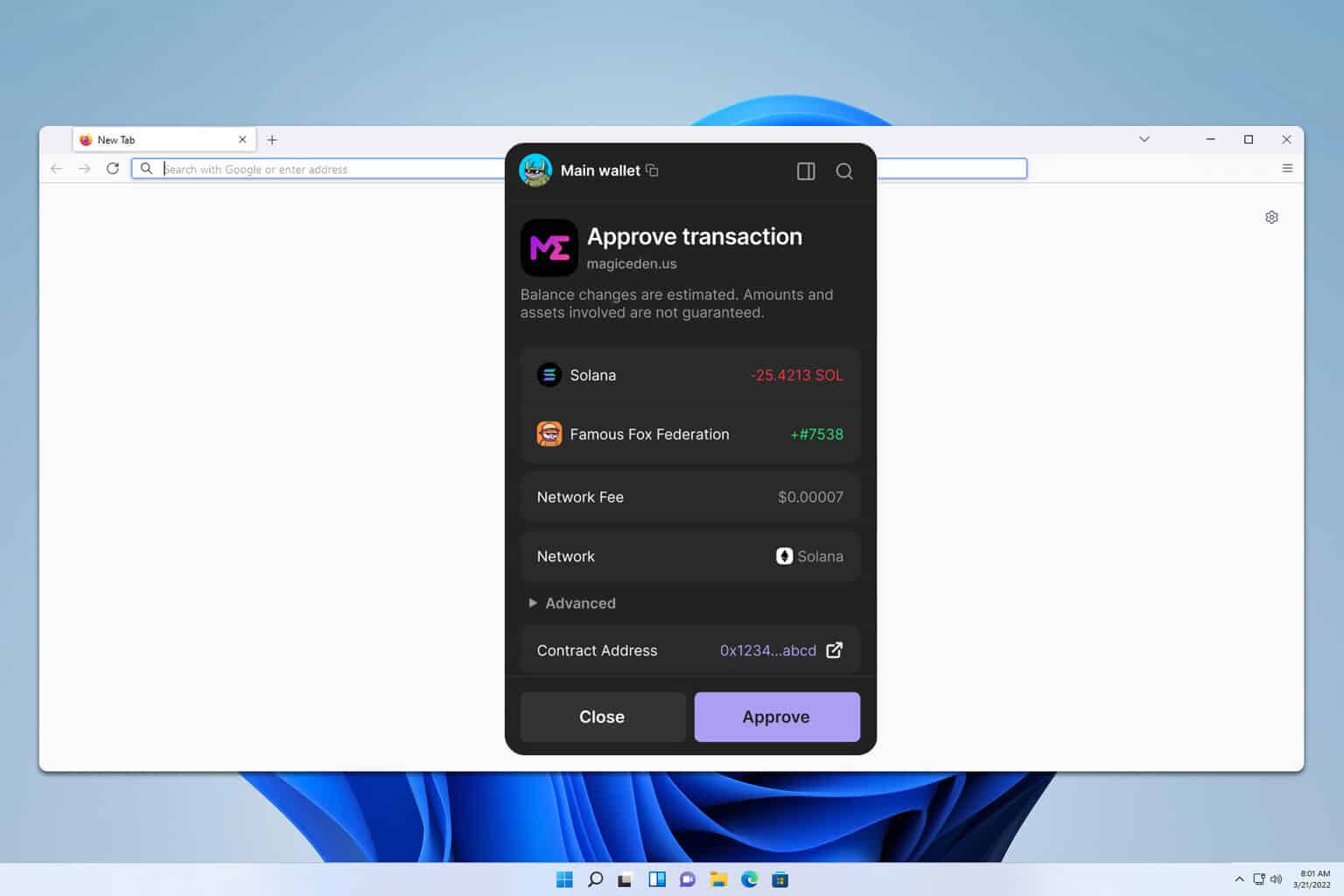
How I install and check Phantom safely
If you’re ready to try Phantom yourself there are safe ways to install the extension. Here’s the thing. One simple route is to visit the official extension page and verify the publisher name, check browser store reviews, and confirm community links, and if you want the quick link I used, try the phantom wallet download extension page I bookmarked when researching. I also recommend creating a hardware wallet backup for larger balances; it’s very very important. Final thought: no tool replaces cautious habits—label accounts, test small transfers, never paste seeds into sites, and teach friends to treat seed phrases like actual gold because once compromised recovering assets is nearly impossible.
FAQ
Is Phantom safe for everyday use?
Short answer: yes for most users. Long answer: use cautious habits—verify links, keep small test transfers, pair with hardware wallets for bigger sums, and learn to read permission prompts; somethin’ as simple as double-checking the URL can save you a world of trouble.
發佈留言