
Why Phantom Feels Like the Right Solana Wallet Browser Extension (and Why I Still Triple-Check)
Whoa! I installed Phantom the first time because a friend said, “Just add it — it’s easy.” It really was fast, and my first impression was pure relief: no weird prompts, no endless permissions, and the UI felt clean. But here’s the thing — ease can also hide risks if you don’t pay attention, and my instinct said to slow down. Initially I thought it was just another wallet extension, but then the small details started to matter more than I expected.
Really? Yes. I remember fumbling with seed phrases and thinking, somethin’ here needs a checklist. The extension asks for only the things it needs, and that’s refreshing. On the other hand, extensions are inherently exposed in a browser environment, which means surface-level convenience comes with a different threat model than hardware wallets. So: balance convenience against threat — that was my working rule as I kept poking around.
Here’s the thing. Phantom does a lot of things right out of the box — token management, NFT viewing, and a simple staking flow — and those features reduce the friction that usually scares new users away from Solana. That onboarding comfort matters because it gets people to actually use DeFi instead of quitting out of confusion. Still, there’s a nuance: any browser extension can be mimicked, copied, or outright spoofed, so verifying the source is non-negotiable. Hmm… that part bugs me, honestly.
Okay, so check this out—I’ve installed Phantom a handful of times across different machines while testing, and one time a Chrome profile tried to auto-fill a name that didn’t match. My gut feeling said abort, and I did. Something felt off about the autofill suggestion, and later I realized a different extension had alphabetically appeared above Phantom in the permissions list. On one hand, the UX can lull you into trust; though actually, wait—let me rephrase that: trust has to be earned every single session.
Where to get Phantom (and a practical note)
If you want a straightforward start, I recommend grabbing the extension from a single trusted source that I use when I’m being cautious: https://sites.google.com/cryptowalletextensionus.com/phantomwalletdownloadextension/. Install from there, verify the publisher, and read the permissions before you approve anything. It sounds basic, but many people skip the verification step because they just want to trade one token or mint an NFT, and that impatience can be costly.
On features: Phantom handles SOL, SPL tokens, NFTs, and integrates with many dApps in the Solana ecosystem, which makes it a practical day-to-day wallet. The built-in swap feature is convenient for small trades, though for larger moves I still route through a desktop app or a hardware wallet for safety. My bias is toward minimizing attack surface, so I use Phantom for daily UX and a hardware key for big transactions, especially when staking large amounts.
My instinct said to test staking flows first, and so I did. The interface walks you through delegation without making you memorize validator details, but it’s still wise to research validators outside the extension. I like validators that publish clear policies and have operational transparency, because uptime and vote credits matter in ways that aren’t obvious at glance. That research step is boring, but it’s worth the time if you’re serious about rewards long-term.
On privacy and data: Phantom asks for enough permissions to interact with dApps, and it stores your keys locally encrypted after you set a password. That local storage is better than server-side storage for privacy, though local files can be targeted by malware if your machine is compromised. So yeah — keep your OS and browser patched, use password managers, and avoid installing random extensions that promise weird functionality. I’m not 100% sure any single stack is invulnerable, but layered defenses work.
Something else that bugs me: impostor extensions exist, and their icons can be nearly identical. I once saw a clone that used a minutely different shade of purple; only the publisher name gave it away. Double-check the publisher and the extension ID if you can. Also, when you restore from a seed phrase, pause — confirm the words you type match offline notes, not autocomplete suggestions. It sounds neurotic, but small habits become savings down the line.
Feature wise, Phantom’s NFT gallery is a real delight for casual collectors, and its in-wallet fiat onramps reduce the friction of moving from cash to SOL. That convenience, again, is why many folks choose it as a gateway into Solana DeFi. Yet, when you link fiat rails, there’s an added layer of KYC and third-party risk that changes the privacy calculus, so proceed with your eyes open. On one hand, it’s easier; on the other hand, it might reveal more than you want to an aggregator.
One practical tip I learned the hard way: back up your seed phrase in at least two physical locations and consider a passphrase (25th word) if you want extra security. Passphrases add complexity and also a failure point — if you forget it, there’s no recovery — though actually, wait—let me be clear: a passphrase is only for users who can manage the added burden reliably. For many people, a secure offline backup and a hardware wallet are simpler and more robust.
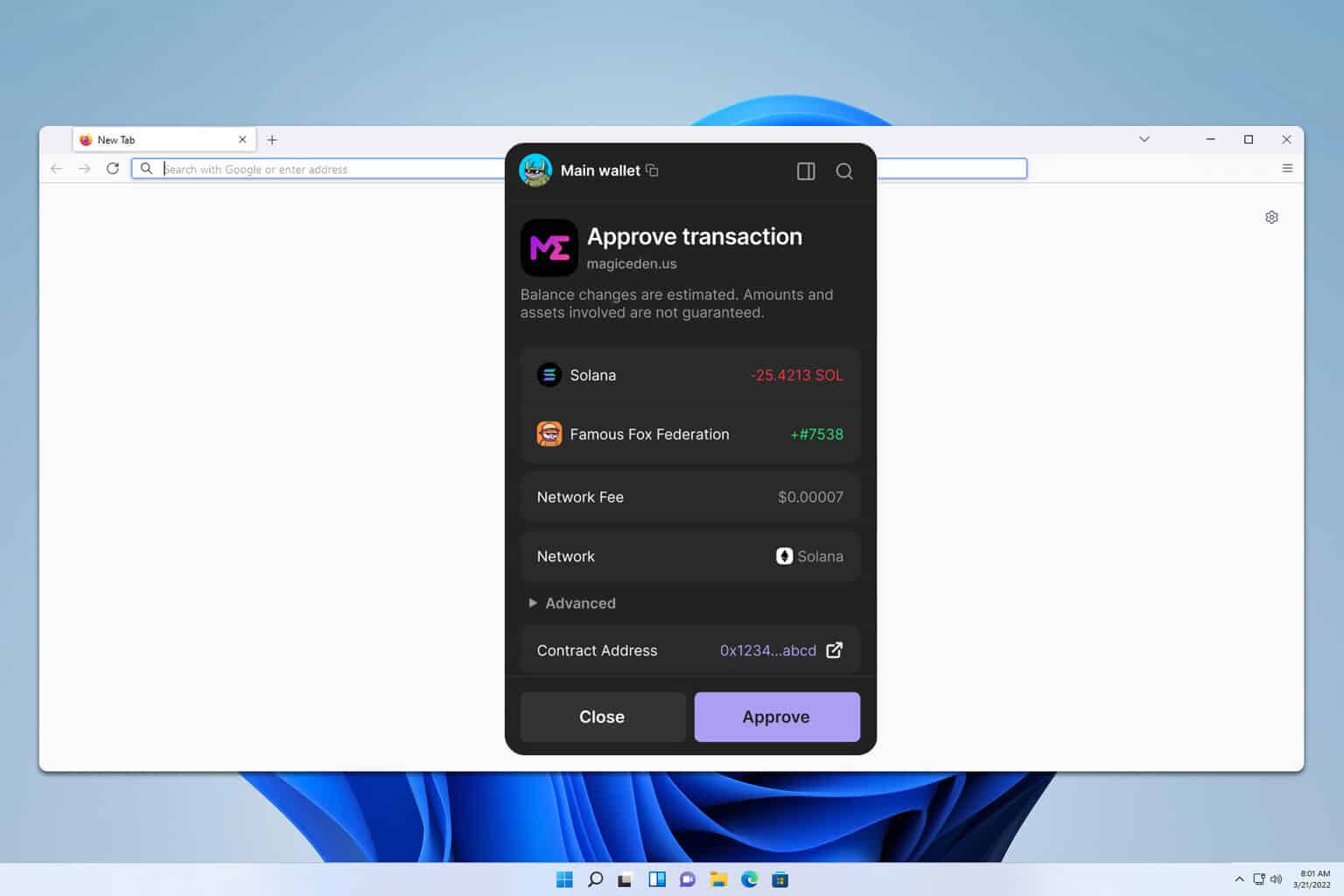
I’ll be honest: sometimes I get lazy and rely on familiar UX patterns, and that has bitten me before. But over time I developed a checklist that I use before approving any transaction: confirm the dApp URL, check the amount and token type, and verify that the recipient address looks correct for the transaction type. It sounds excessive, though it prevents the classic “oh no I sent my NFTs to the wrong contract” mistakes. Habits matter more than tools.
FAQ — quick answers
Is Phantom safe to use as a browser extension?
Short answer: yes, provided you follow basic security hygiene. Medium answer: keep your browser and OS updated, only install the extension from a trusted source (see the link above), and consider a hardware wallet for large balances. Long answer: extensions are convenient but exposed; use layered defenses and treat the extension as your daily driver, not your vault.
Can I stake SOL through Phantom?
Yes. Phantom supports staking and delegation via its UI and makes the process simple. However, research validators independently and remember that staking involves lock-up and validator risk, even though slashing on Solana is rare relative to other chains.
What about importing accounts from other Solana wallets?
Importing works with seed phrases and can be convenient, but always verify that you’re interacting with the correct extension when you paste your seed — don’t paste it into random websites or untrusted prompts. If you’re migrating, do a small test transfer first.